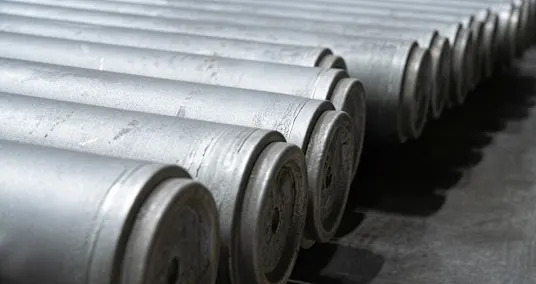
Fears of global aluminium shortages that could affect the production of clean energy technologies intensified after Iran struck two major Gulf aluminium producers, sending prices to a four-year high. The Middle East accounts for 9% of the world’s production of aluminum, which is essential to a wide range of industries from transportation, construction, and packaging, as well as the manufacture of solar panels, electrical transmission systems, wind turbines, and EVs.
Export shipments to the US and Europe had already come to a halt because of the effective closure of the Strait of Hormuz, and Morgan Stanley economists singled out aluminium as carrying a high level of risk across the value chain. Andy Farida, an aluminium analyst at Fastmarkets, told Semafor that high prices would be passed on to end-users, ultimately causing demand destruction. “A prolonged shutdown (with little to no alternative supplies other than Russia and China) could cripple the supply of aluminium to support the production of clean and green technology,” he said, adding that relief could come “if governments allow some sanctioned Russian and Chinese aluminium to be imported.”


 Iran begins cloud seeding to induce rain amid historic drought
- Why ordering takeout or calling the dog walker might lead to a happier relationship
- 23 Most Amusing Messages At any point Sent Among Kids and Their Folks
- 5 Great High-Mileage Electric Vehicles Of 2024
- Tasting America: An Excursion Through Darling Cheap Food Brands
- Dozens killed as Angola flood death toll rises
- NASA's SPHEREx telescope completes its 1st cosmic map of the entire sky and it's stunning!
- 6 Web-based Course Stages for Successful Learning and Educating
- Monetary Security: Building Serious areas of strength for an Establishment