A massive dust storm, or haboob, swept across the Sahara Desert from western Algeria into Mauritania, Morocco, Western Sahara and the Canary Islands on March 30. The dust stretched for more than 1,000 miles.
As meteorologists observed the dust storm from space via weather satellites, social media users captured the incoming dust storm on camera. One video shows a thick wall of dust and sand moving toward a resident of the town of Tindouf, near the Mauritanian, Western Saharan and Moroccan borders.
How does the dust affect tropical storms in the Atlantic?
While this storm didn't make it too far off the coast, significant amounts of dust can drift westward from Africa across the Atlantic beginning in May. This can inhibit tropical storm formation, or the strengthening of an existing system, because the dusty air has about 50% less moisture than the typical tropical atmosphere.
Strong winds in the dust layer can also substantially increase the vertical wind shear in and around the storm environment, potentially disrupting any storm that forms.
latest_posts
- 1
 Changes to CDC website spark debate over autism and vaccine misinformation
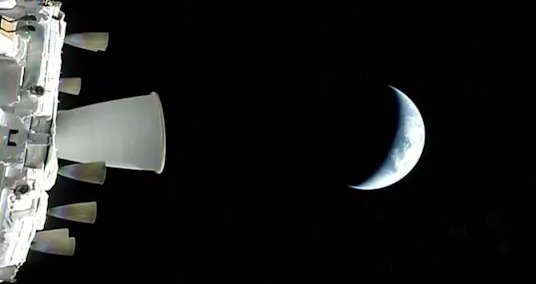
 - 2Artemis II crew cleared to depart Earth orbit, head for moon
- 3Doctor's orders: Eat ice cream, and other tips for a long and healthy life
- 4Taste the World: Five Food sources That Have Dazzled Worldwide Palates
- 5A Time of Careful Eating: Individual Tests in Nourishment



- Australian State Triggers Emergency Powers Amid Fuel Crisis
- Language Learning Stages: Which One Gets Your Vote?
- UN experts urge investigation into Israel’s killing of Lebanese journalists
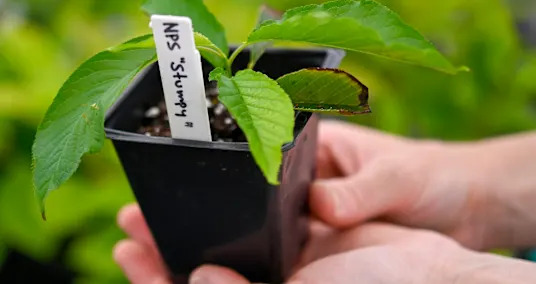
- Clones of Stumpy, Washington D.C.'s beloved cherry blossom tree, have flowered for the first time
- Hostages as leverage: Iran's secret demand aimed at crippling Israel's agriculture
- Far-right AfD invited back to Munich Security Conference in 2026
- Carrefour becomes first European retailer to offer shopping on ChatGPT
- Figure out How to Put resources into Lab Precious stones
- The Ursid meteor shower will be the last of the year, peaking just before Christmas: What to know and how to watch